By waiting for official statements and consulting trustworthy sources, individuals can help reduce the spread of misinformation and contribute to a more informed public conversation.
Why Schedule Changes Attract Attention
It is not uncommon for schedule changes involving high-profile individuals to generate interest. Public figures often operate under tightly organized calendars, and any deviation can raise questions.
This phenomenon underscores the close relationship between public visibility and public curiosity. The more visible a figure is, the more closely their actions are observed and interpreted.
The Broader Context of Digital Misinformation
The incident also highlights a broader issue: the rapid spread of misinformation in the digital age. Advances in technology have made it easier than ever to share information, but they have also made it more challenging to ensure accuracy.
False or misleading claims can gain traction quickly, particularly when they involve well-known individuals or emotionally charged topics. Once such claims begin to circulate, correcting them can be difficult, even after official clarifications are issued.
This underscores the importance of media literacy—understanding how information is created, shared, and consumed. By developing these skills, individuals can better navigate the complex information landscape.
Media Responsibility and Public Trust
Traditional media outlets also play a crucial role in situations like this. Responsible reporting involves verifying information before publication and clearly distinguishing between confirmed facts and speculation.
Maintaining public trust depends on accuracy and transparency. When media organizations prioritize these principles, they help create a more reliable information environment.
In this instance, many established outlets chose to wait for official confirmation before reporting on the rumors, demonstrating a commitment to responsible journalism.
Lessons from the Incident
Several important lessons can be drawn from this episode:
Current Status and Moving Forward
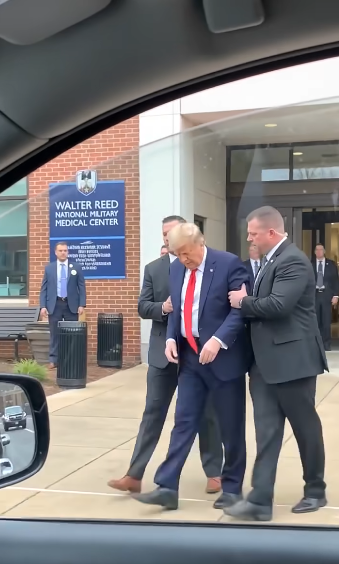
At present, there is no confirmed evidence to support claims that Donald Trump was hospitalized. Official statements indicate that he continues to carry out his regular activities without interruption.
The situation appears to have been driven largely by speculation rather than verified facts. As the discussion settles, it serves as a reminder of the importance of careful information sharing.
Conclusion
The recent surge in online discussion about the health of Donald Trump illustrates how quickly speculation can arise in response to unexpected developments. While the initial claims were not supported by official information, they gained significant attention due to the speed and reach of social media.
Ultimately, the response from authorities helped clarify the situation, emphasizing that there was no medical emergency. The incident highlights the ongoing challenges of navigating information in a digital age where accuracy and speed are often in tension.
By prioritizing verified sources, practicing critical thinking, and approaching unconfirmed claims with caution, individuals can contribute to a more informed and balanced public discourse.
